Have you ever wondered why people believe the moon landing was faked, vaccines secretly poison us, and Mercury in retrograde can ruin your love life? Why does irrationality seem so pervasive? A popular answer, beloved by academics and educators alike, points to fallacies—certain types of arguments that are deeply flawed yet oddly seductive. Because people keep falling for these reasoning traps, they end up believing all sorts of crazy stuff. Still, the theory offers hope: if you memorize the classics—ad hominem, post hoc, straw man—you will inoculate yourself against them.
It’s a neat little story, and I used to believe it too. Not anymore. I’ve become a fallacy apostate.
Growing doubts
My doubts began when I was still in academia, teaching critical thinking to philosophy students and science majors alike. Fallacies are a favorite chapter in such courses. In some ways, they are ideal teaching material: they come in tidy lists and seem easy to apply. Many trace back to Aristotle and still parade under their Latin names—ad hominem, ad populum, ad ignorantiam, ad verecundiam (better known as the argument from authority), the slippery slope, affirming the consequent, and so on.
So I dutifully taught my students the standard laundry list and then challenged them to put theory into practice. Read a newspaper article, or watch a political debate—and spot the fallacies!
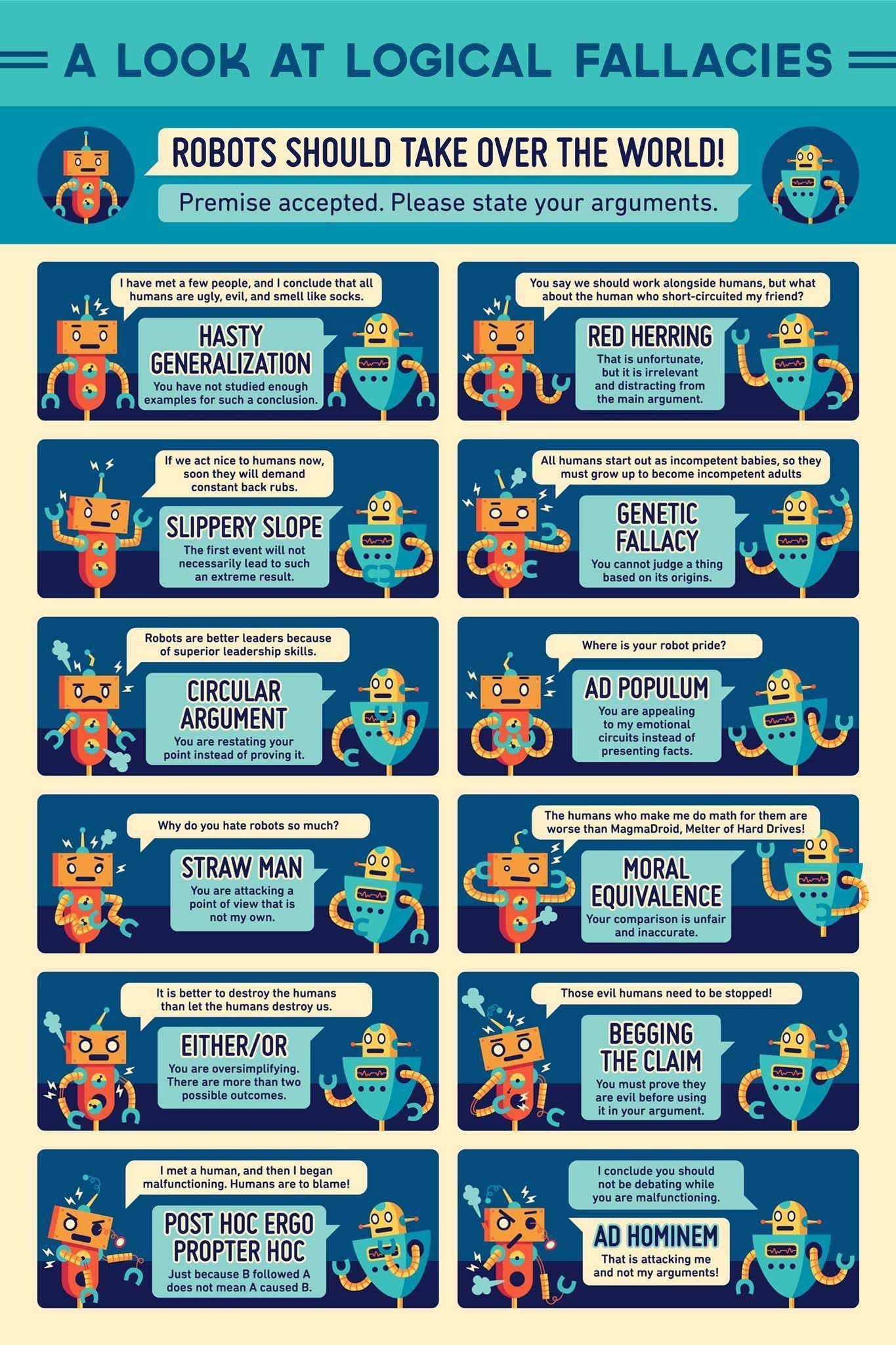
After a few years, I abandoned the assignment. The problem? My students turned paranoid. They began to see fallacies everywhere. Instead of engaging with the substance of an argument, they hurled labels and considered the job done. Worse, most of the “fallacies” they identified did not survive closer scrutiny.
It would be too easy to blame my students. When I tried the exercise myself, I had to admit that I mostly came away empty-handed. Clear-cut fallacies are surprisingly hard to find in real life. So what do you do if your professor tells you to hunt for fallacies and you can’t find any? You lower the bar. To satisfy the assignment, you expand your definition.
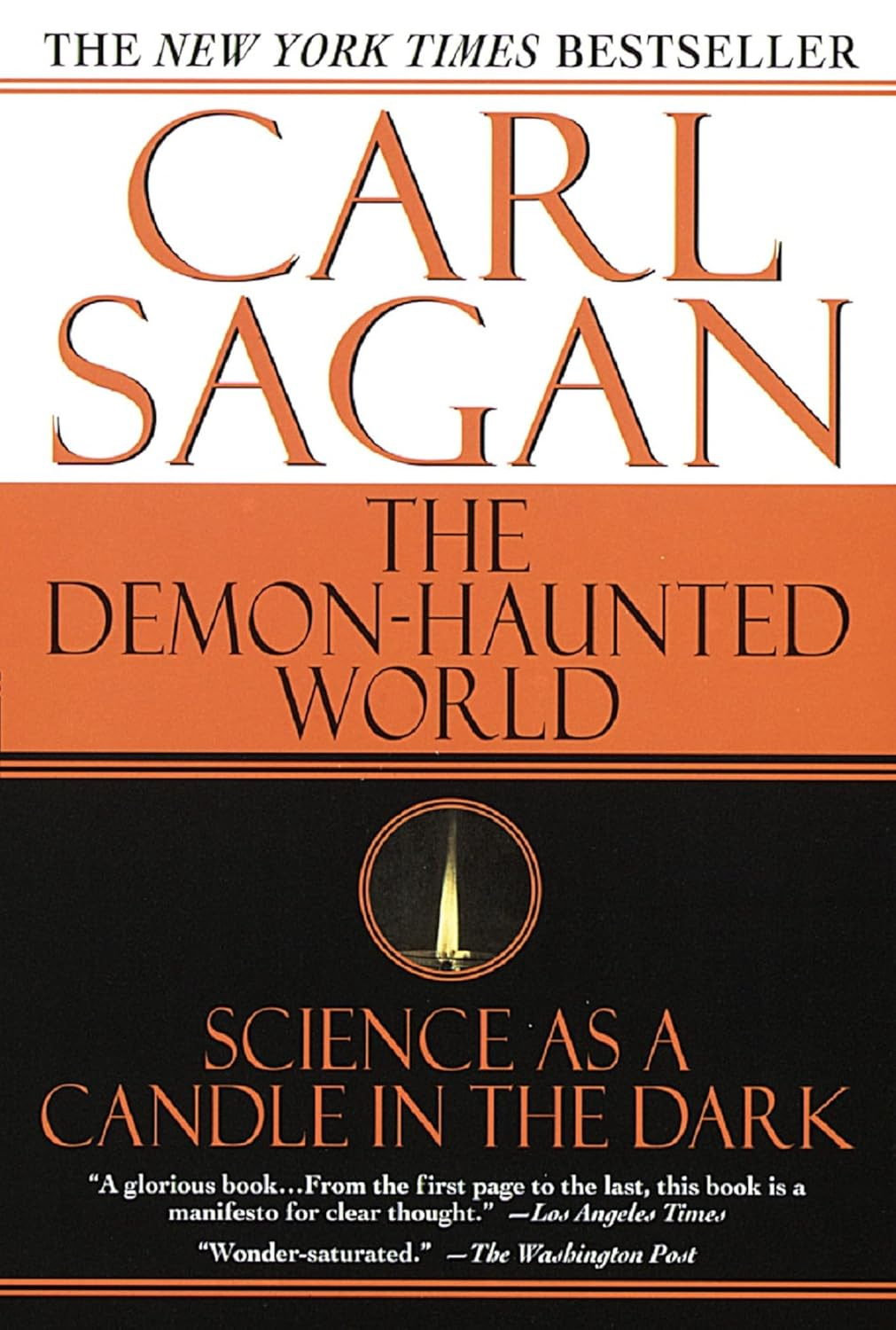
I turned to the classics to see whether I was missing something. The Demon-Haunted World by Carl Sagan is one of the most celebrated books on critical thinking and everyday irrationality. Like many works in the genre, it contains a dedicated section on fallacies, where Sagan dutifully lists the usual suspects. The curious thing, however, is that he rarely puts them to work in the rest of the book. The section feels almost perfunctory—as if, close to the deadline, Sagan’s editor had told him: “Shouldn’t you include a list of fallacies somewhere, Carl?” As in many textbooks, real-life examples are scarce. Instead, we get tidy, invented toy arguments that are easy to knock down.
Sagan is not alone in paying lip service to fallacy theory while making little real use of it. Here’s the most popular educational video on fallacies, with millions of views, which consists entirely of toy examples.

Or consider this recent viral TikTok video of a guy fighting with his girlfriend, racking up twelve logical fallacies in under two minutes. It’s an impressive performance—but obviously scripted. Another collection of toy examples, and not very persuasive ones at that.


All of this makes you wonder: if fallacies are as ubiquitous as we’re told, why is the theory always illustrated with invented toy examples?
[…]
[Lees de rest van dit stuk op mijn Substack hieronder. Vergeet niet om je daar gratis te abonneren, want al mijn Engelse stukken verschijnen daar eerst. Als je mijn bestaan als onafhankelijke schrijver wil steunen, kan je ook een betalend abonnement nemen. Of me hieronder op een koffie trakteren! 😉 ]